
Yukon, OK · Garage Door Service
What Cold Does to an Old Yukon Garage Door Spring
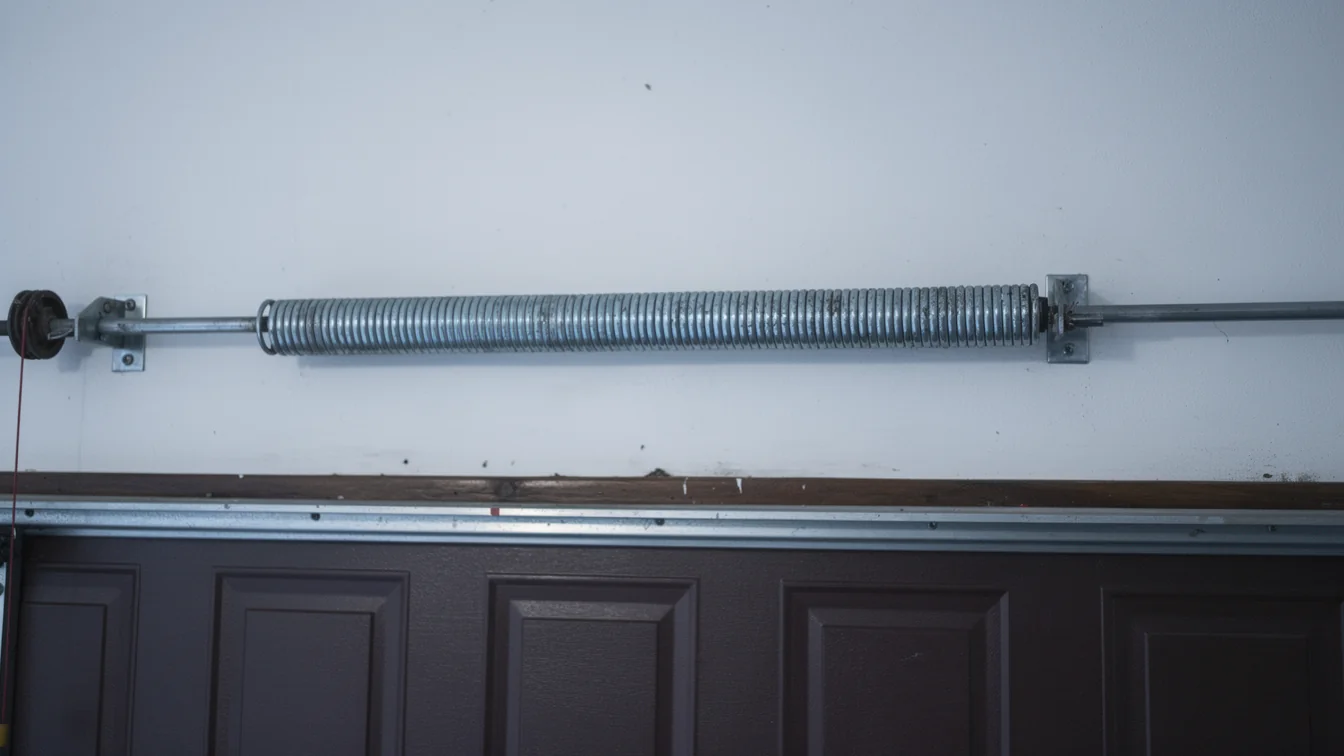
Yukon homes built mostly between 1959 and 1999 still run original torsion hardware. Here's what cold moderate winters do to springs that age, and what the fix actually costs.
- Repairs & new doors
- Springs & openers
- Serving 5 nearby communities
The Situation
Most of the houses in this part of Yukon went up between 1959 and 1999, with the median build year sitting right around 1970. That matters because a torsion spring is rated for a number of open-close cycles, not a number of years, and a door that's been going up and down since the Nixon or Carter administration has used up most of that rating whether anyone's noticed or not. Across the 13 named areas that make up this stock, you see the same pattern: original hardware, original track, sometimes original opener, just aging quietly in a garage nobody thinks about until the door won't move. We work in a service area that covers roughly 48,036 households, with about 28,576 of those owner-occupied houses, and a big share of them share this exact build era. It's not a maintenance article problem - it's a parts-age problem. The spring doesn't know how old the house is, but it knows how many times it's been wound and unwound, and for a 1970 house that number is high.
Leaving It Alone
A spring that's near the end of its life doesn't usually announce itself. It gets a little louder, maybe the door starts drifting a few inches when it's halfway up, and then one morning it just lets go. On a door built to the specs common in the 1960s and 70s stock around here, that failure is sudden, not gradual - torsion springs store a lot of energy and they don't leak it out slowly. The honest limitation: we can't tell you from the driveway how many cycles are left on a spring that's 20, 30, or 50 years old. Nobody can, without opening the door up and looking at the coil wear. What we can tell you is that waiting past the first signs of strain - slow travel, uneven lift, a door that feels heavier on one side - usually turns a scheduled spring swap into an after-hours call when it finally snaps, often with the car trapped inside or outside at the worst possible time.
What the Weather Here Does to It
Yukon sits in a cold moderate climate band, and that matters more for old springs than people expect. Steel contracts in the cold, and a spring that's already fatigued from decades of cycling has less give left in it when the metal tightens up on a hard freeze. That's why the failure calls cluster on the coldest mornings of the year rather than the mild afternoons - the spring that was going to go eventually goes now, when the garage is near freezing and the oil in an old opener gear is thick and slow too. It's not that cold weather damages a healthy spring. It's that cold weather is the stress test that finds the one that was already near its limit. On a house from the 1970 median build year, that spring has likely seen forty-plus winters of that exact stress test, and at some point the test comes back positive.
The Cost of This Job
With a median household income of $87,250 across the area, most homeowners here end up weighing a straight spring swap against a fuller fix once we're in the garage looking at the rest of the hardware. On a door that's been running since the original build, the spring is rarely the only part showing its age - rollers, cables, and the track brackets from the same install often need attention at the same time, and it usually makes more sense to handle them together than to pay a second trip charge in six months for the next part that gives out. We don't push full-door replacement on a spring call just because the house is old; plenty of 1970s-era doors still have good panels and just need the hardware brought current. But we'll tell you straight when the door itself has reached the point where patching it costs more over two years than replacing it once.
Frequently asked questions
How do I know if my spring is original to the house?
If the house was built in the 1960s or 70s and nobody's mentioned a spring replacement, it's probably original or close to it. Signs include a door that lifts unevenly, visible gaps in the coil when it's fully wound, or rust along the spring itself. We can check it during a service call without any guesswork.
Why do springs seem to break more in winter around here?
Cold steel has less flex, so a spring that's already near the end of its cycle life tends to let go during the coldest stretches rather than in warmer months. The cold doesn't cause the wear, it just tends to be when a worn spring finally gives out.
Is it worth replacing just the spring or the whole door?
Depends on the rest of the hardware. If the track, rollers, and cables are still in decent shape, a spring swap alone makes sense. If several parts from the original install are failing around the same time, replacing everything together usually costs less than fixing it piece by piece.
Related garage door services in Yukon
More garage door guides
Book garage door service in Yukon
Call now or request a quote - tell us what the door is doing and where you are.